
The Meaning of Guilt
American PrometheusThis thread traces Oppenheimer’s shifting language of guilt, responsibility, and regret from Trinity to his last public reflections.
increasing Bearing strength in each event
 decreasing
Bearing strength in each eventdecreasingAn Unsettling Achievement

An Unsettling Achievement
Relief at success
When the first test worked, Oppenheimer felt relief and satisfaction that the device was not a dud. He also knew it had crossed a threshold in human history.
The first moral shadow
His later Gita quotation made the event sound like a moment of cosmic recognition. Whatever he thought at the time, the test joined accomplishment to fear.
Blood on His Hands

Blood on His Hands
A failed confession
Oppenheimer told Truman that he felt he had blood on his hands. The remark expressed distress but also placed his private moral anguish before a president focused on policy.
Responsibility disputed
Truman replied that the responsibility was his. The exchange exposed a divide between the scientist’s sense of personal complicity and the state’s claim to decide.
A Public Sense of Sin
A Public Sense of Sin
A troubling formulation
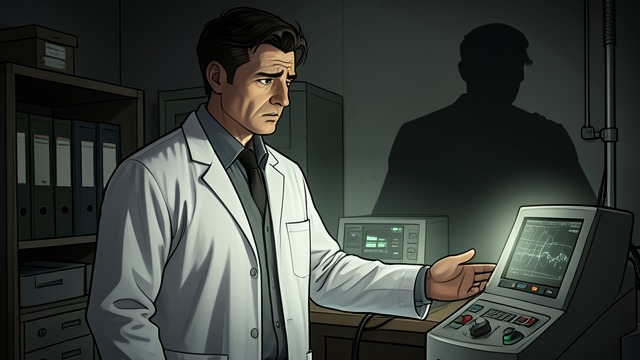
Oppenheimer said physicists had “known sin” by creating the bomb. Some friends found the language mystical or self-dramatizing, while others recognized a genuine ethical crisis.
Science judged by effects
The phrase challenged the claim that scientific facts alone were morally neutral. It made responsibility for use and consequences central to scientific identity.
Responsibility in the Late Years

Responsibility in the Late Years
No simple regret
Oppenheimer distinguished responsibility from a dramatic confession of guilt. He did not regret the technical work as simply as later dramatizations suggested.
Ethical limits
He believed people must recognize the limits of what they can do and the consequences of their choices. His later language remained careful, unresolved, and resistant to easy absolution.
A Life Examined
A Life Examined
Responsibility remains
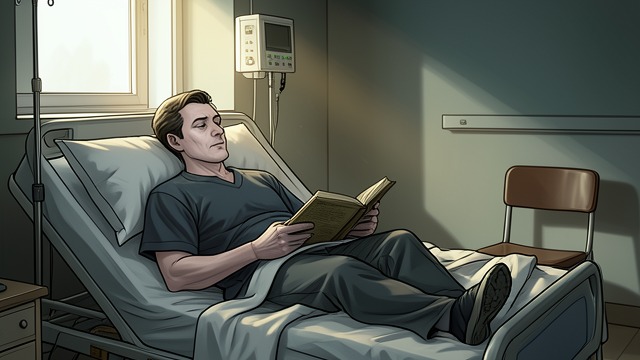
As illness narrowed his life, Oppenheimer continued to reflect on responsibility as a present-tense obligation. He did not claim innocence or offer a final public conversion.
An unresolved legacy
His words and actions left later readers to confront competing truths: patriotic service, catastrophic consequences, and limited power to change policy.
July 1945, at Trinity
October 1945, during the meeting with Truman
1946–1948, in speeches and essays
1959–1966, in later interviews and correspondence
1966–1967, during Oppenheimer’s final illness
